Zhermack Information Magazine

PPE and impression materials: what are the risks?

1 June 2026

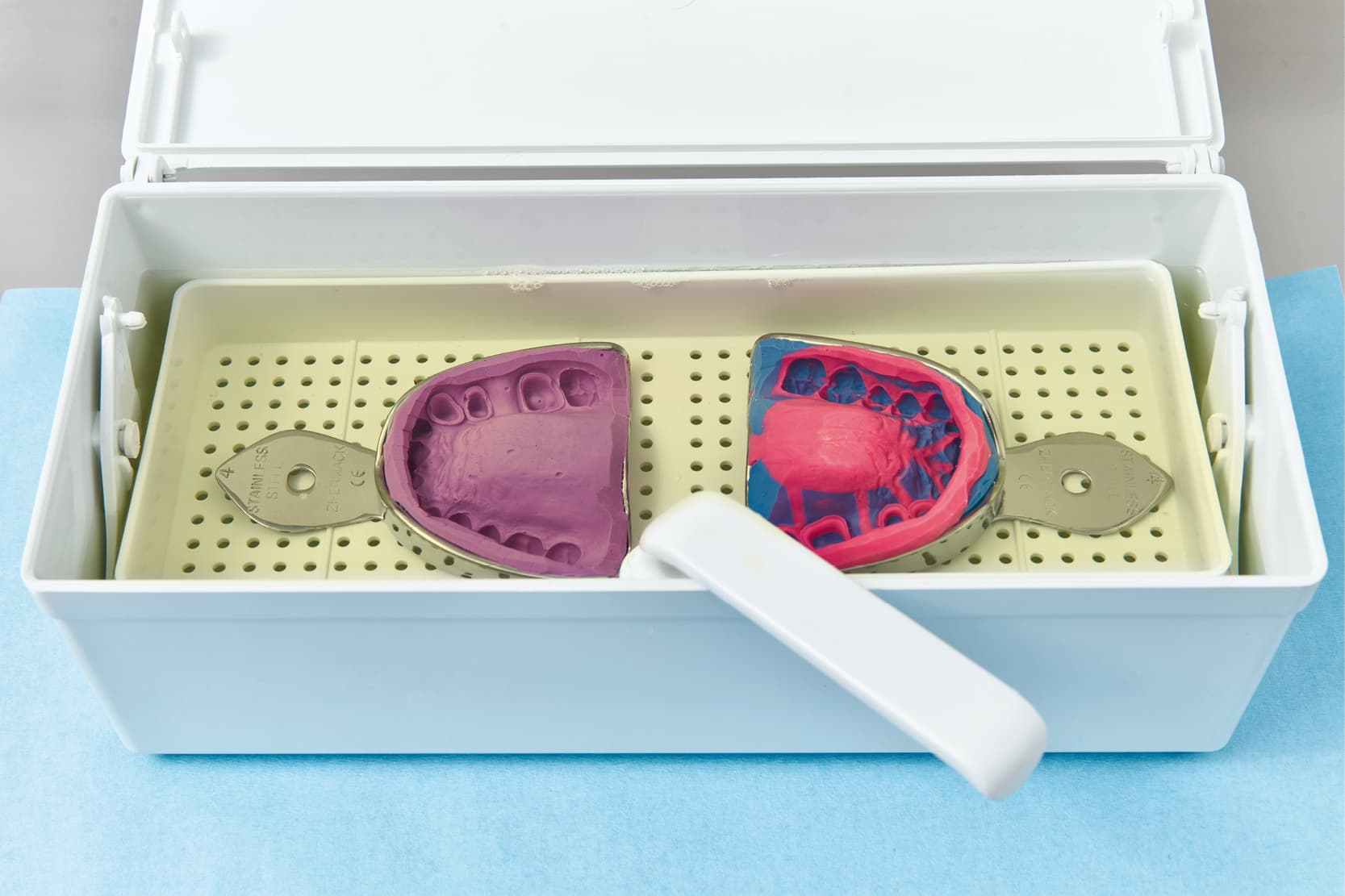
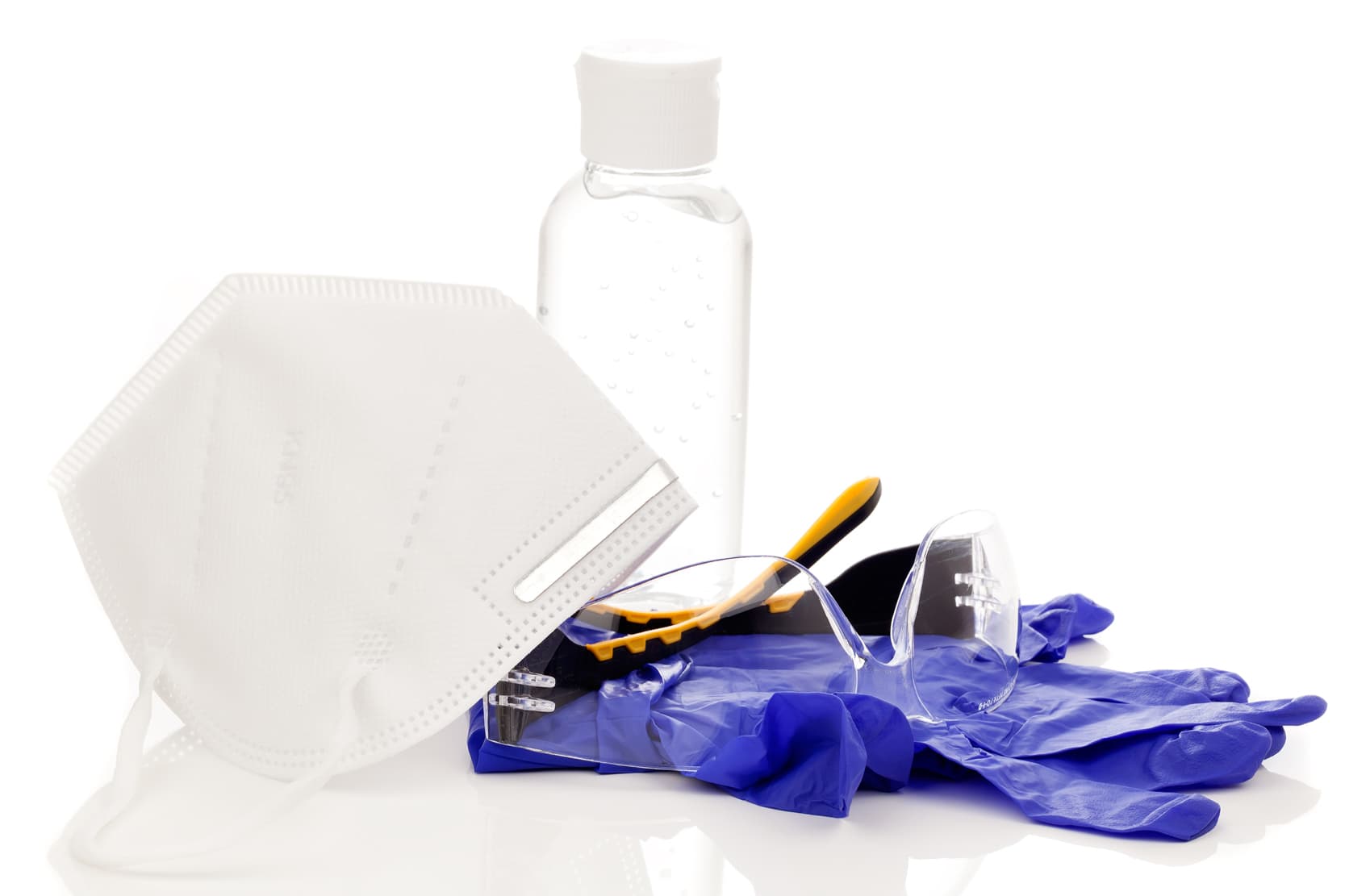
Personal Protective Equipment (PPE) refers to all those barrier measures — gloves, masks, visors/protective eyewear, gowns and additional protective devices — that reduce the exposure of the dental team to potentially infectious biological (blood, saliva, aerosols), chemical (disinfectants,…
Tooth fractures: classification, prognosis, and treatment

1 June 2026

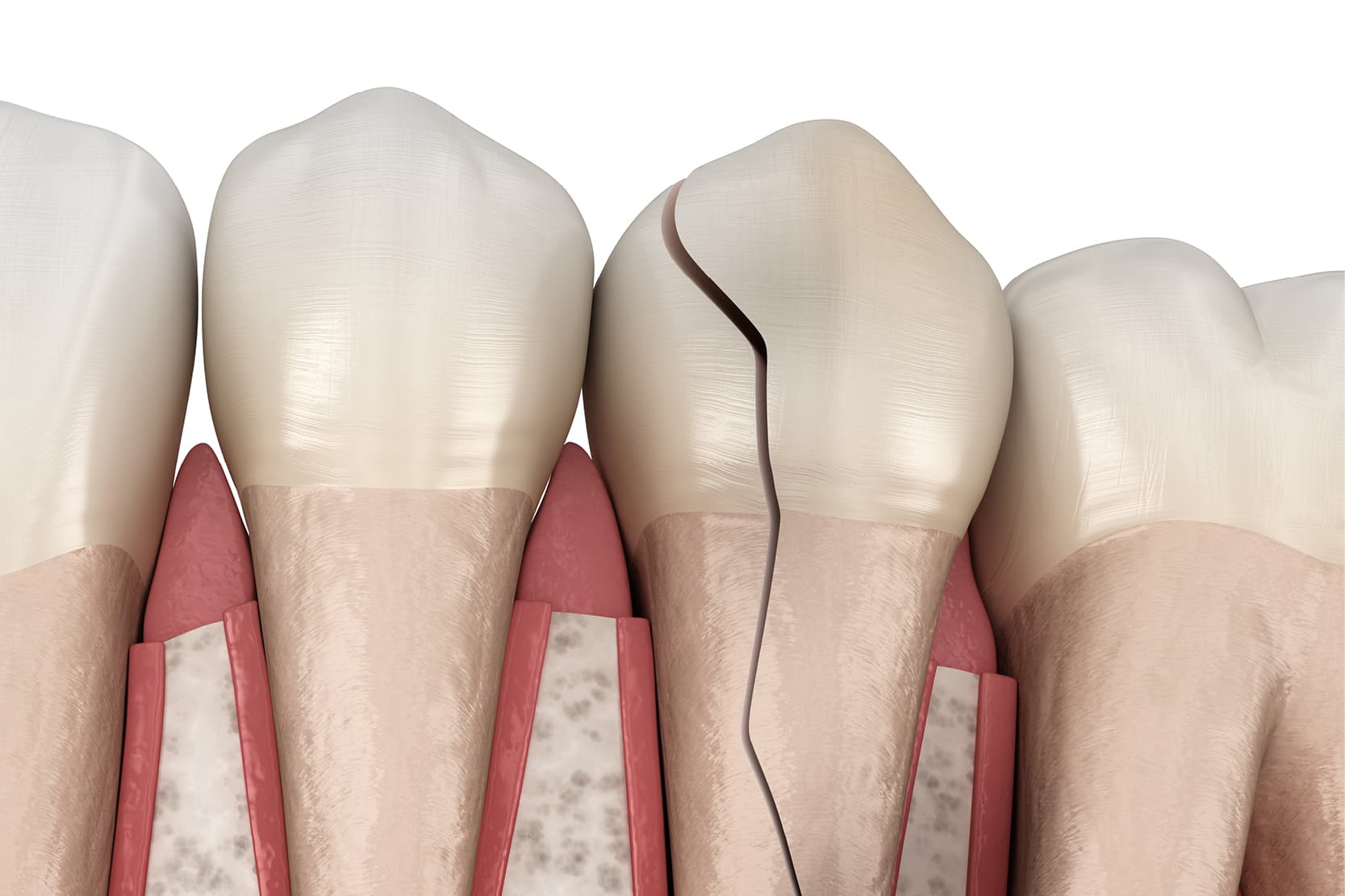
A tooth fracture is a pathological condition that may affect one or more teeth. Diagnosis can be extremely straightforward and obvious, or as complex and elusive. If the fracture results from trauma, it is often easier to identify, define, and treat.

By contrast, when a fracture spreads in a subtle

Provisional mock-ups in prosthodontic rehabilitation

1 June 2026

Mock-ups and provisional restorations play an essential role within the clinical and operative workflow of fixed prosthodontics.  A mock-up can be described as a temporary intraoral reproduction of the planned prosthodontic result, derived from the diagnostic wax-up, and used to assess…

Clean and sterile preparation of the surgical field

1 June 2026

The management of asepsis is one of the cornerstones of dental-patient safety, especially in oral and implant surgery. The oral cavity hosts an extremely rich and complex microbiota, second only to the gut microbiota, with over 700 bacterial species and numerous microorganisms, including fungi,…

Soft tissue reproduction in prostheses on natural teeth

1 June 2026

The aesthetics and health of the periodontal tissues of the teeth are determined by the condition of the gingival margins, their symmetry in the anterior region, and the restorations on the adjacent teeth. (1,2)

When the margins of the prosthetic restorations are positioned subgingivally and the…

The purpose of a dental bite: types and uses

16 February 2026

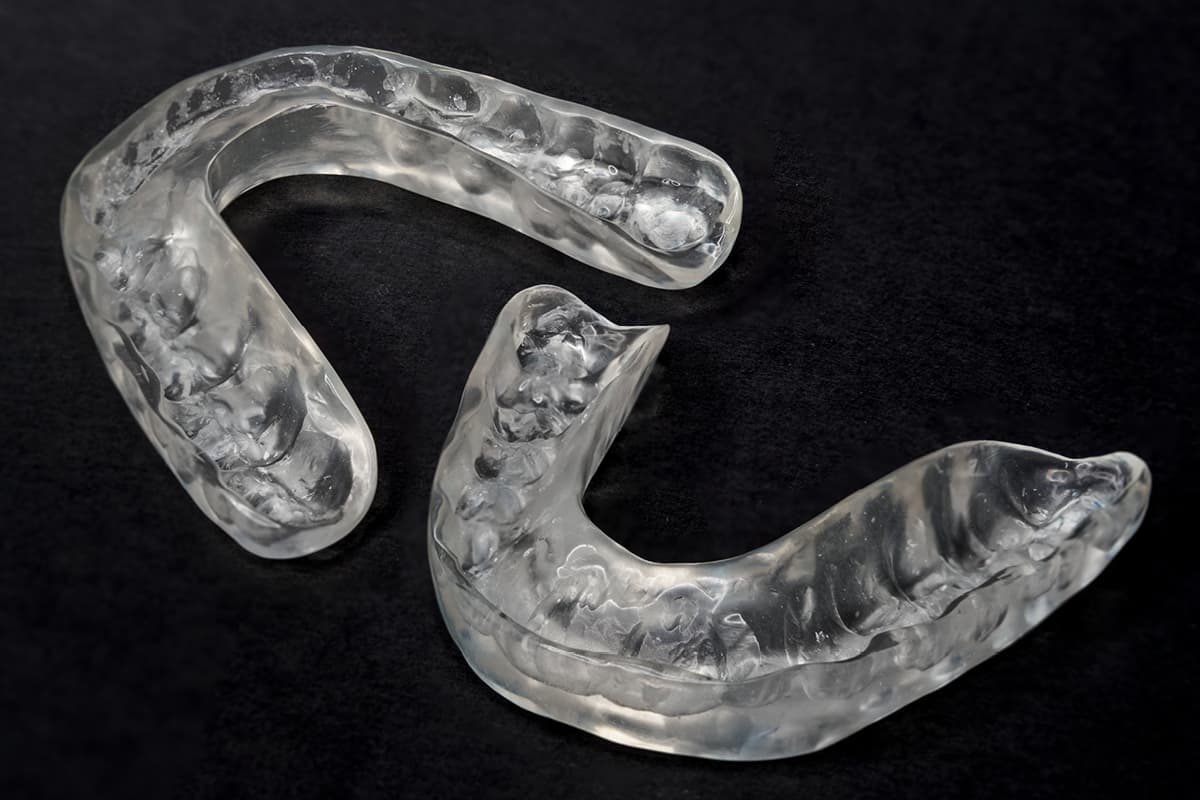
The term “bite” in dentistry creates a lot of confusion and is often not used correctly, especially among patients. There are a multitude of devices that fall under the definition of dental bite, each with specific characteristics, indications and functions.

The confusion arises from…

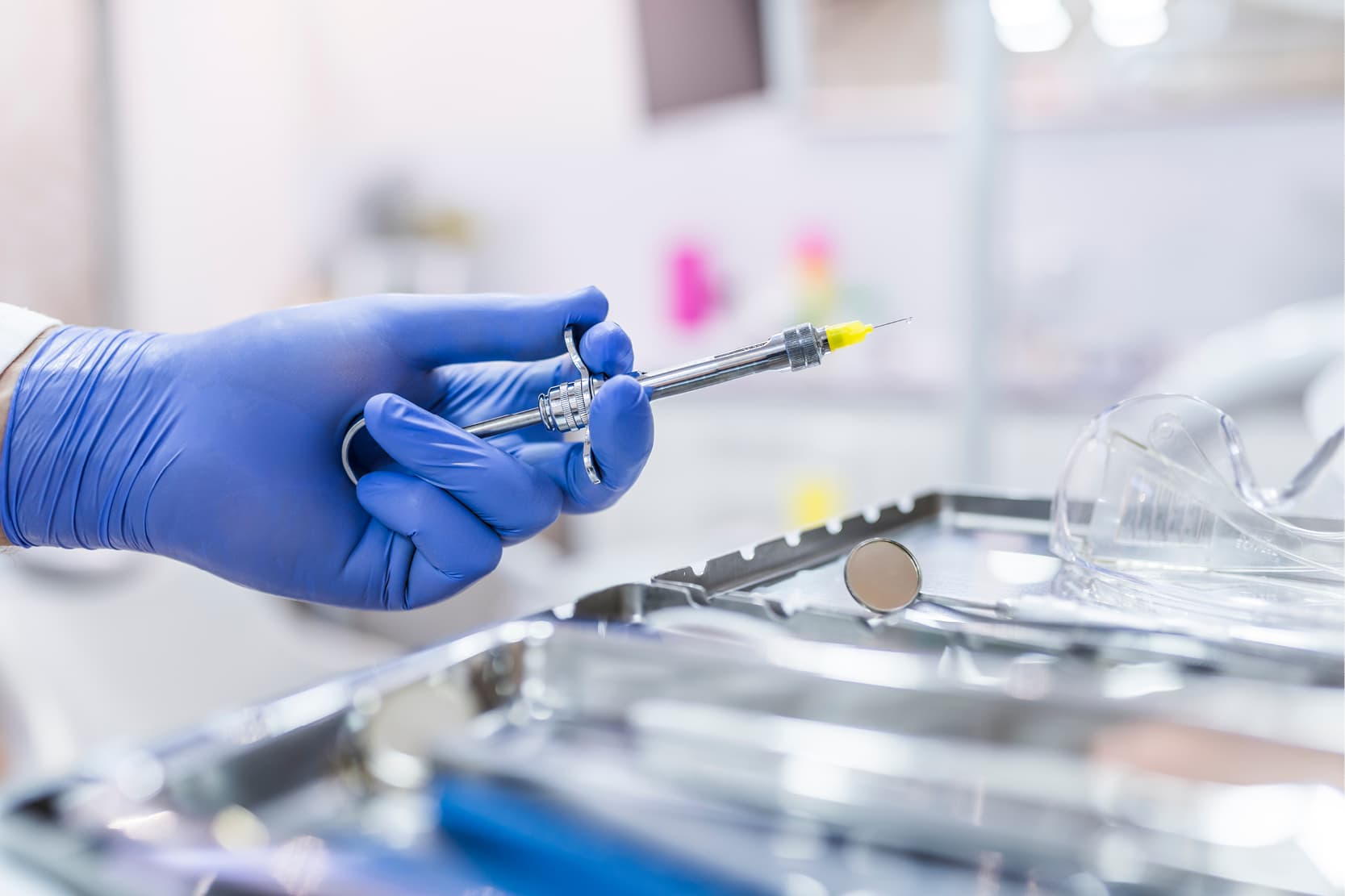
What to do if you prick yourself with a needle or sharp object

15 December 2025

Accidental injuries from needles or sharp objects are one of the main occupational hazards for dental staff (1). Frequent use of needles, sharp instruments and direct contact with blood or contaminated saliva during dental procedures expose staff to the risk of transmission of pathogens, particularly…